
 CIFAC
9 Cours
GENERAL KNOWLEDGE OF AVIATION
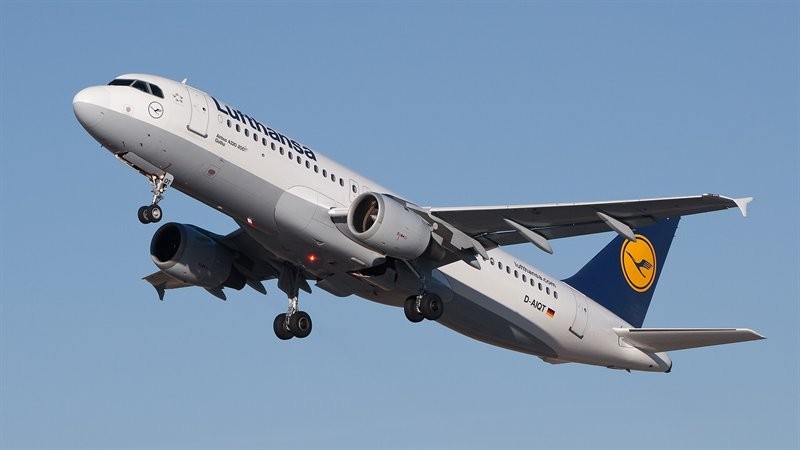
Introduction to civil aviation: history of flight, aircraft types and configuration, basic principles of flight, meteorology and navigation awareness.
Aviation authorities and regulatory framework (ICAO, IATA, OACA), airline organisation and standard aviation terminology used on board.
GENERAL INFORMATIONS
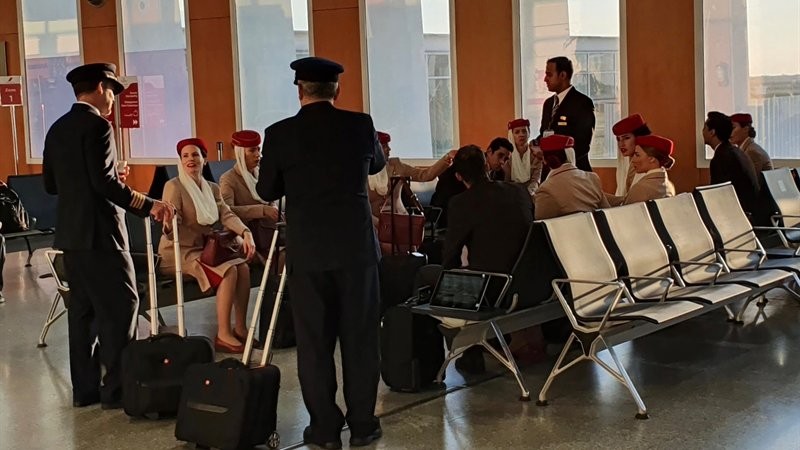
The cabin crew profession: role and responsibilities on board, chain of command and crew composition, licensing, medical fitness and recurrent training requirements.
Grooming and uniform standards, rostering and flight time limitations, crew documentation and reporting duties.
AIRCRAFT EQUIPEMENTS
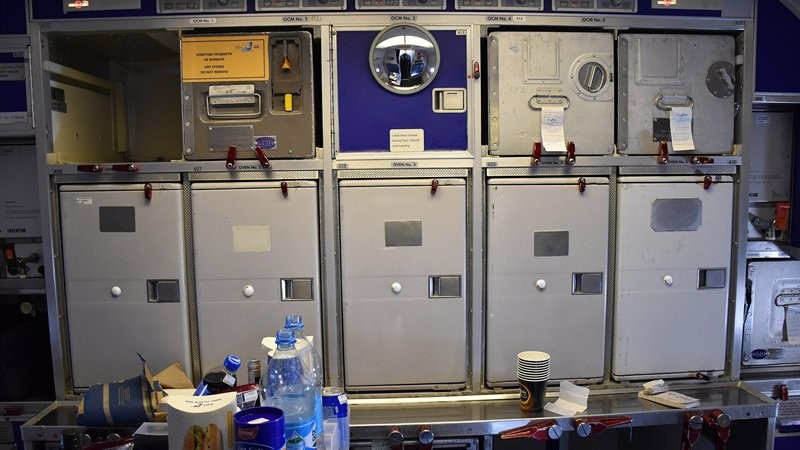
Aircraft familiarisation for cabin crew: cabin layout and seating, doors and emergency exits, galley and service equipment, lavatories and crew rest areas.
Safety and emergency equipment on board: oxygen systems, fire extinguishers, protective breathing equipment, life jackets, slides and rafts, interphone and public address systems.

NORMAL PROCEDURES
Standard operating procedures for a normal flight: pre-flight briefing and safety checks, passenger boarding and cabin preparation, safety demonstration and cabin secure procedures.
In-flight service and passenger care, turbulence procedures, descent, landing and disembarkation, post-flight duties and reporting.
EMERGENCY PROCEDURES
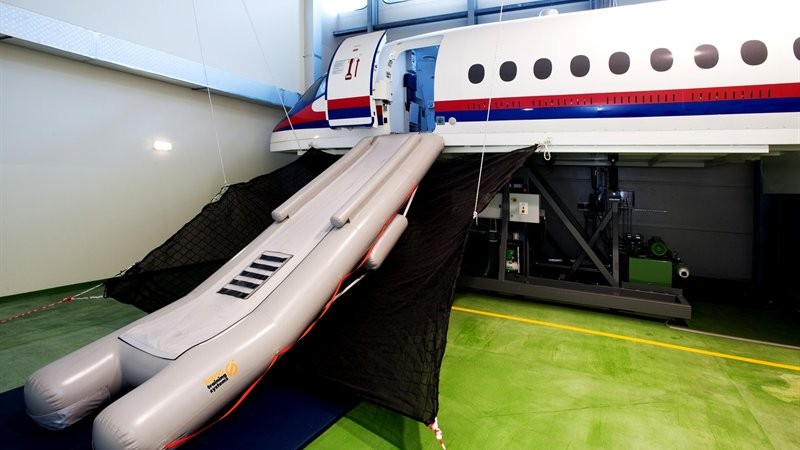
Abnormal and emergency situations: planned and unplanned evacuation, land and water evacuation drills, use of slides, rafts and survival equipment.
Rapid decompression, fire and smoke in the cabin, ditching, medical emergencies and first aid, crew coordination and passenger control under stress.
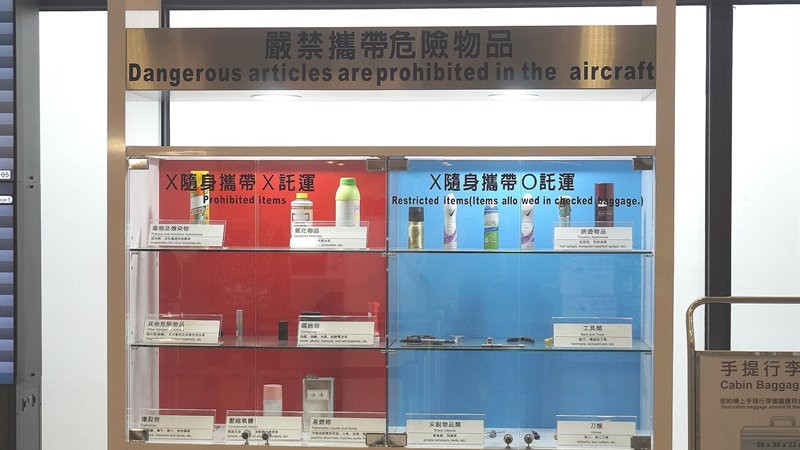
DANGEROUS GOODS
Transport of dangerous goods by air under the IATA Dangerous Goods Regulations: the nine hazard classes, labelling and marking, packing groups and documentation.
Items forbidden or restricted in passenger and cabin baggage, lithium batteries, hidden dangerous goods, cabin crew responsibilities and incident response on board.
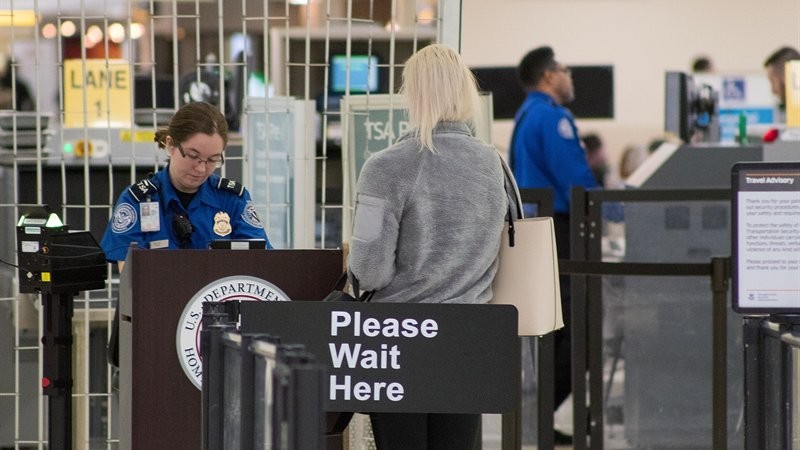
SECURITY
Aviation security for cabin crew: the regulatory framework (ICAO Annex 17, national programmes), threat awareness and acts of unlawful interference.
Passenger and baggage screening, aircraft security search and preflight checks, management of disruptive and unruly passengers, bomb threat and hijacking procedures, reporting and coordination with authorities.
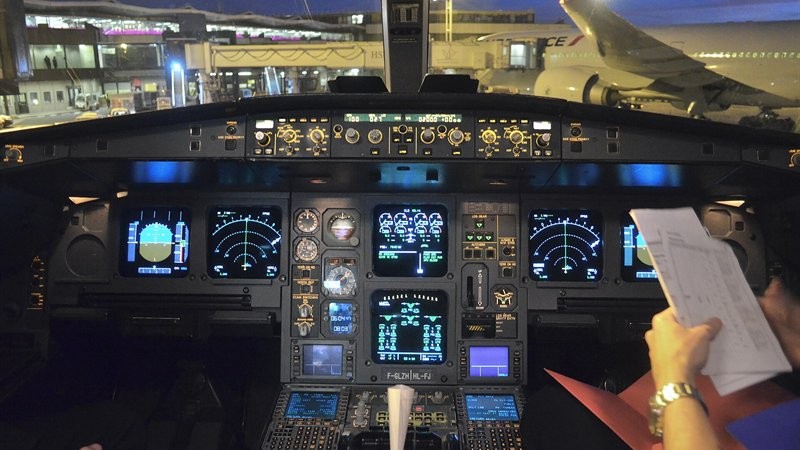
CRM
Crew Resource Management: human factors in aviation, communication and assertiveness, teamwork between flight deck and cabin crew, leadership and followership.
Situational awareness, workload management, decision making, stress and fatigue, error and threat management, briefings, debriefings and case studies.
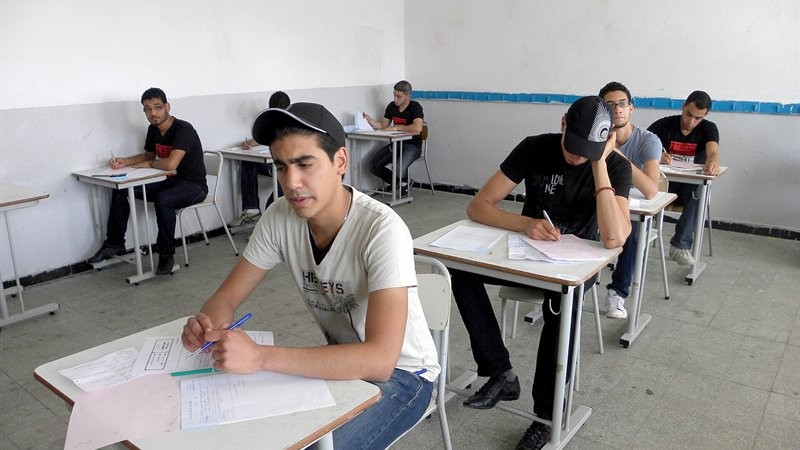
FINAL EXAM PREPARATION
Consolidation of the whole Cabin Crew programme: syllabus revision module by module, key definitions and regulatory references.
Mock written examinations and multiple-choice practice, oral and practical assessment preparation, exam technique, and individual feedback before the final certification exam.
 CIFAC